
Rare Earth Metals: Russia's Struggle for Value in a Market Dominated by China

Despite its resource wealth, Russia remains a minor player in global rare earth metal value chains, with key production bottlenecks, heavy Chinese dominance, and significant technological gaps limiting the country’s ability to capitalize on the world’s fastest-growing industrial trend.
The Magnetic Core of Global Tech Growth
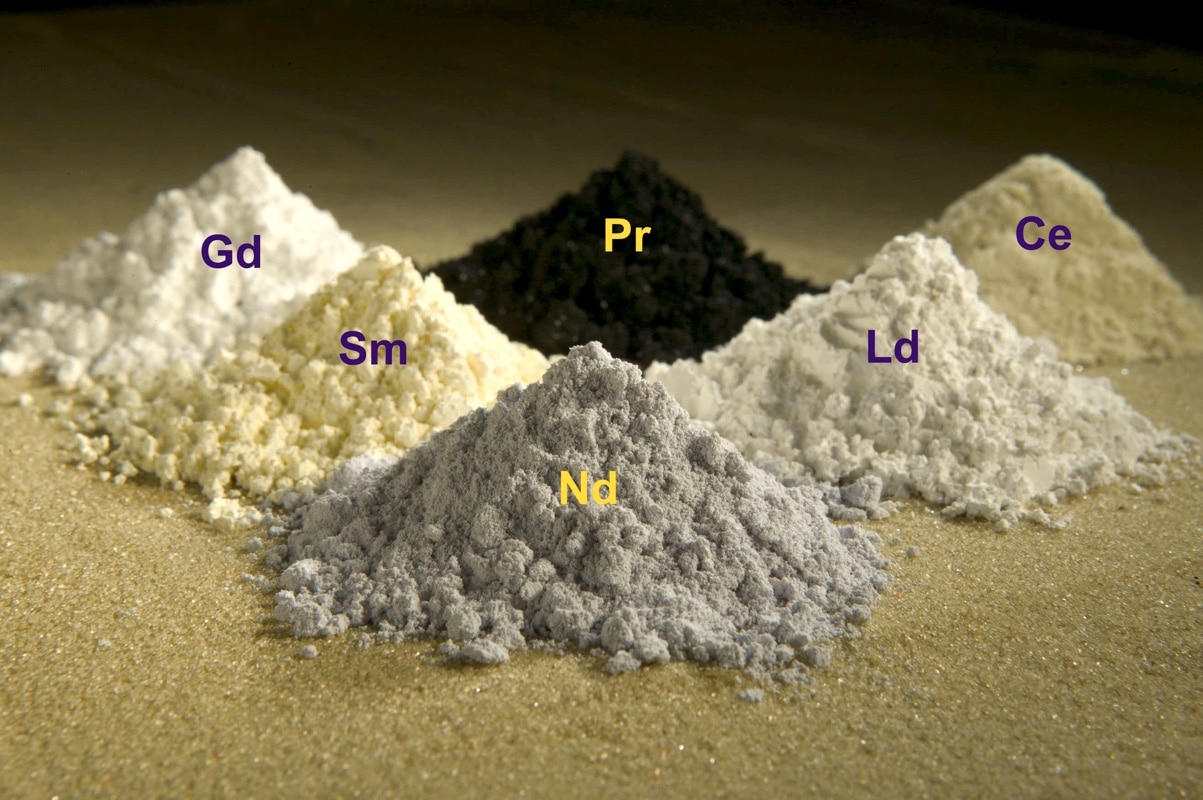
Worldwide interest in rare earth elements (REEs) is sharply focused on a select group known as the 'magnetic REEs': neodymium, praseodymium, dysprosium, and terbium. These elements are foundational to the production of NdFeB (neodymium-iron-boron) magnets — the strongest permanent magnets, essential in electric motors, wind turbines, and advanced electronics. Key to their industrial value is the unique roles each metal plays: neodymium forms the backbone of the magnet, praseodymium acts as a cost-saving substitute that maintains performance, and dysprosium gives the magnets crucial heat resistance.
This triad decides who controls the technological future. Whoever controls the supply and separation of Nd, Pr, and Dy controls not just the production of magnets but the entire chain of electric vehicles, renewable energy, and high-tech manufacturing. Currently, China holds the dominant position, aided by decades of targeted investment, low costs, and lenient environmental regulation. Demand is surging — every electric vehicle requires up to 2 kilograms of NdPr alloy and 0.2 kilograms of Dy per motor — and as the world pivots toward electrification, forecast shortfalls make control over REE resources even more strategic.
Russia’s REE Assets and Their Limitations
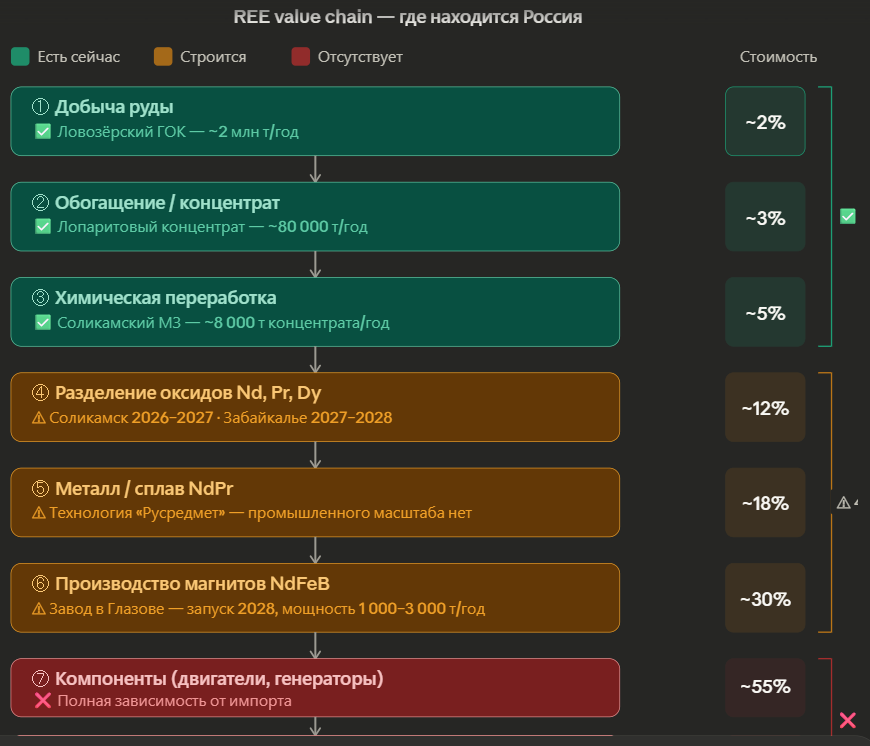
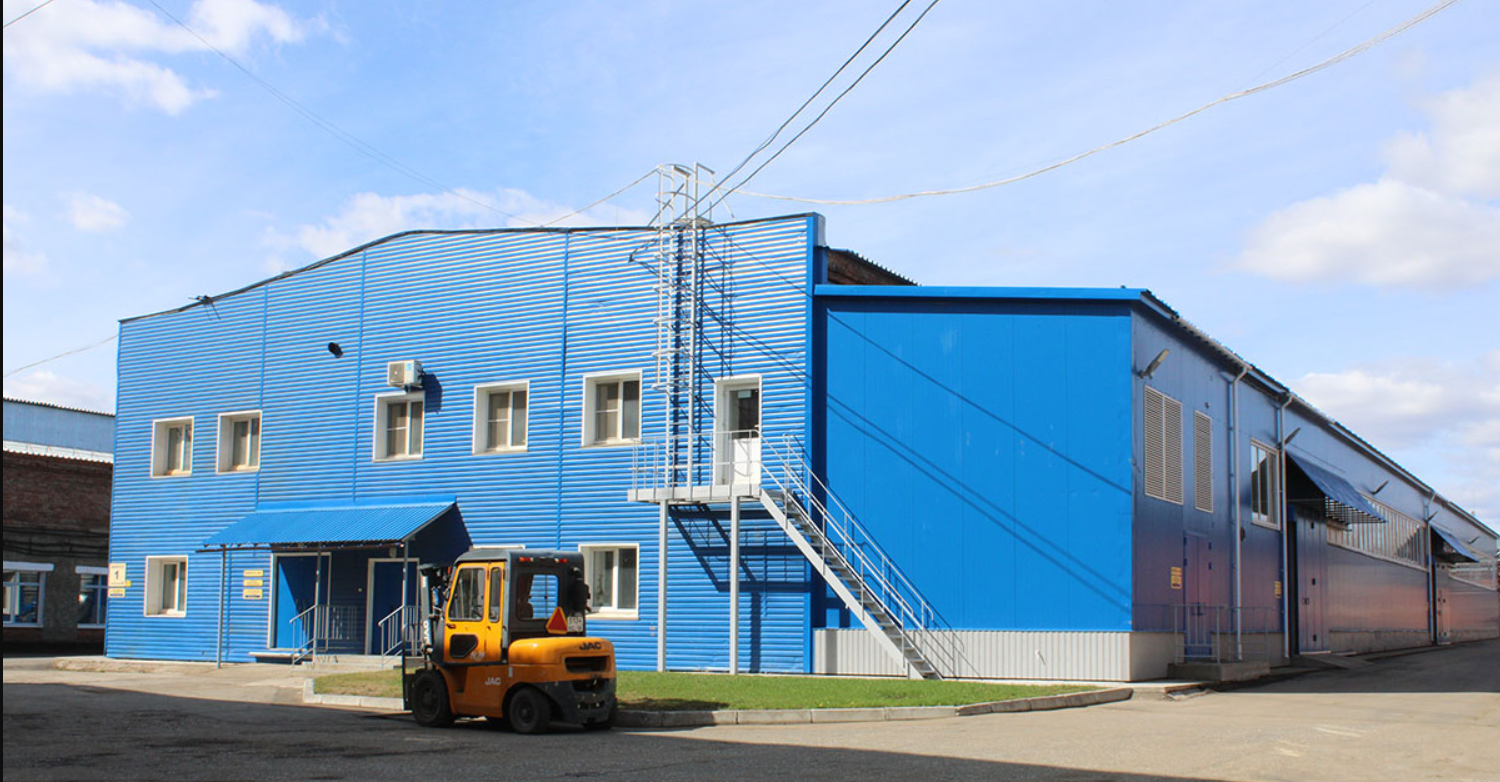
Russia’s rare earth metal supply chain rests on three main assets. The Lovozero Mining and Processing Plant (Murmansk region) is the country’s sole operating REE mine, producing a loparite concentrate, which is then processed at the Solikamsk Magnesium Plant (Perm Krai). These facilities currently yield about 2,500 tonnes of mixed rare earth oxides annually. A pilot separation technology, co-developed by JSC Rusredmet, aims to restore lost post-Soviet industrial capability. However, output so far remains non-industrial.
Ambitious expansion is underway. New complexes are being built to enable the extraction and separation of market-critical elements, with the Glazov plant set to begin magnet production from domestic resources by 2028. Yet, heavy REEs — most critically dysprosium — are outside Russia’s reach; significant reserves are lacking, and extraction technologies are underdeveloped. Even with expansions, dependency on imported Dy will persist for the foreseeable future, underscoring fundamental structural vulnerabilities in Russia’s REE sector.
Investment and Industrial Risks: Five Factors
Global trends could double the REE market by 2030 and triple it by 2035, offering a major opportunity for early movers. However, Russia's domestic production is not keeping pace with rising internal demand, especially from fast-growing magnet and renewable sectors. Today, the majority of domestic REE consumption still supports traditional industries like glass, optics, and catalysts.
Sanctions amplify challenges: Western equipment for the separation of heavy REEs cannot be imported, and reliance on Chinese technologies deepens technological dependence. Dysprosium remains an acute supply bottleneck, with no immediate domestic solution. Strategic partnerships with Chinese firms highlight Russia’s growing subordinate role, mirroring dynamics observed in energy markets post-2022. While industrial-scale production of Nd and Pr is moving forward, the full value chain required for technological independence remains elusive.
Latest Developments: Summer 2026 Update
The REE market’s dynamics have only intensified in 2026. NdPr alloy prices have surged over 20% within a month, just as Russia’s own separation capacity is delayed, now expected online no earlier than 2028, with investment requirements rising beyond previous estimates. China’s export-control regime on strategic REEs remains strict, with fresh licensing hurdles and longer approval timelines, further complicating Russian industry’s access to critical inputs like dysprosium and terbium.
Meanwhile, new supply initiatives highlight both ambition and limitations. Russia’s Glazov plant, once projected for major capacity, is now set for a modest 500 tonnes per year — tiny alongside China’s 300,000-tonne output. Rosatom’s experimental 'phytomining' projects are innovative but presently measured in mere tonnes, far from commercial significance. The bulk of Russian REE exports to the EU also remain non-magnetic, heavily skewed toward cerium compounds rather than the magnetic elements that drive strategic value chains.
Strategic Outlook: A Persistent Value Gap
Despite ongoing investment and technological pilots, Russia's position in the global REE market remains fundamentally that of a raw-material supplier, not an integrated resource power. The critical bottlenecks — lack of heavy REE reserves, incomplete value addition chains, technological dependence on China, and delays in industrial-scale separation — all persist. Domestic industry is now lobbying for tariff protections against finished magnet imports, acknowledging China’s pricing power and the challenges ahead.
The net result is a further entrenchment of earlier trends: prices are rising, China’s grip on key supply chains is tighter, and Russian attempts at technological self-sufficiency face rising costs and stretched timelines. Even with the promise of new plants and alternative extraction technologies, the high-value segments of the REE chain — and the corresponding economic and strategic benefits — remain beyond Russia’s immediate reach.