
Russia KPRF's 'Program of Victory': The Economic Proposals Behind the Communist Electoral Platform
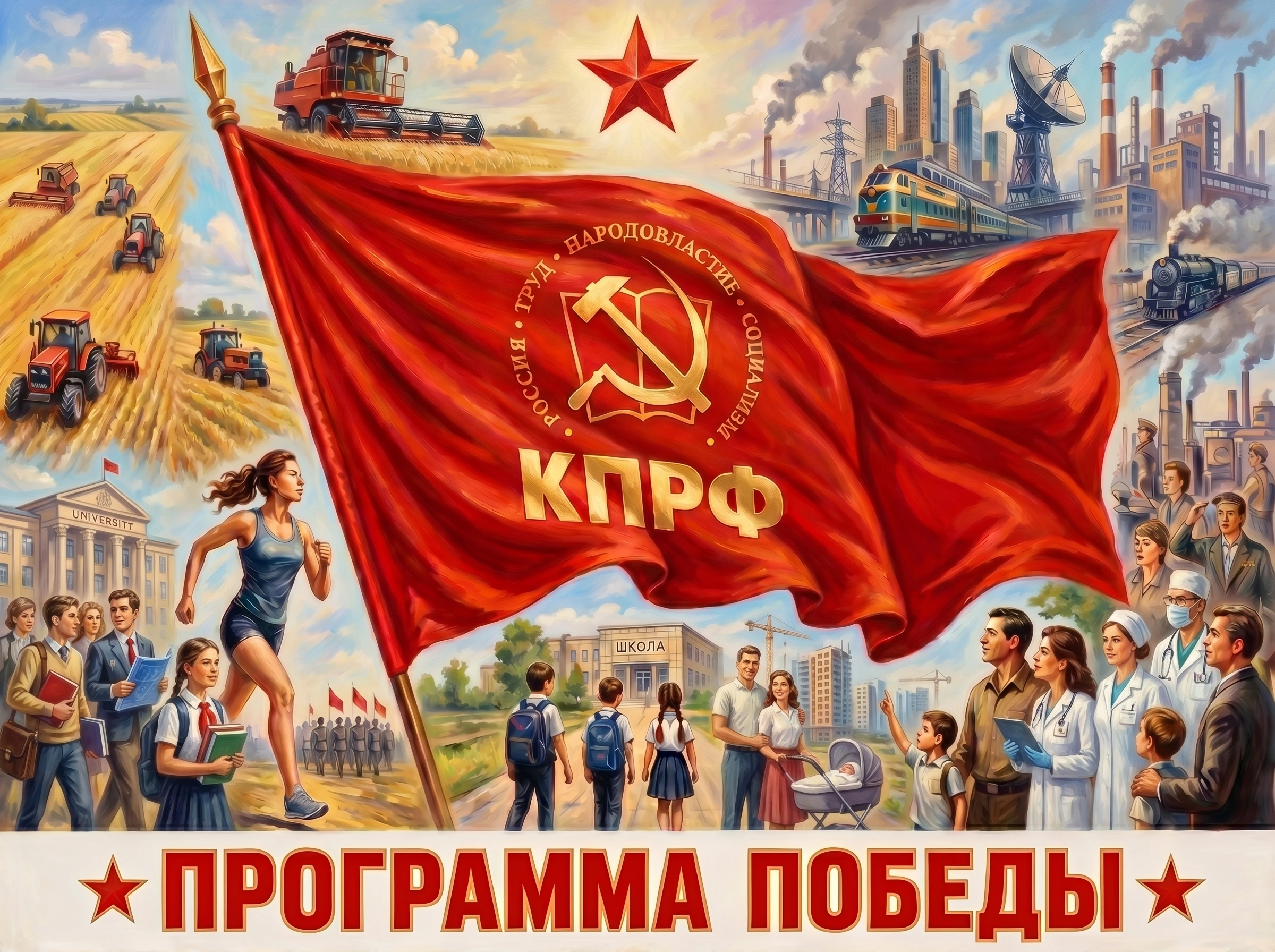
The Communist Party of the Russian Federation (KPRF) has detailed its election platform for the 2026 State Duma elections, presenting a series of interconnected economic proposals that aim to reshape fundamental aspects of Russia's economic model through state intervention, nationalization, and progressive fiscal policies.
Congress Approval and Program Overview
Congress Approval and Program Overview
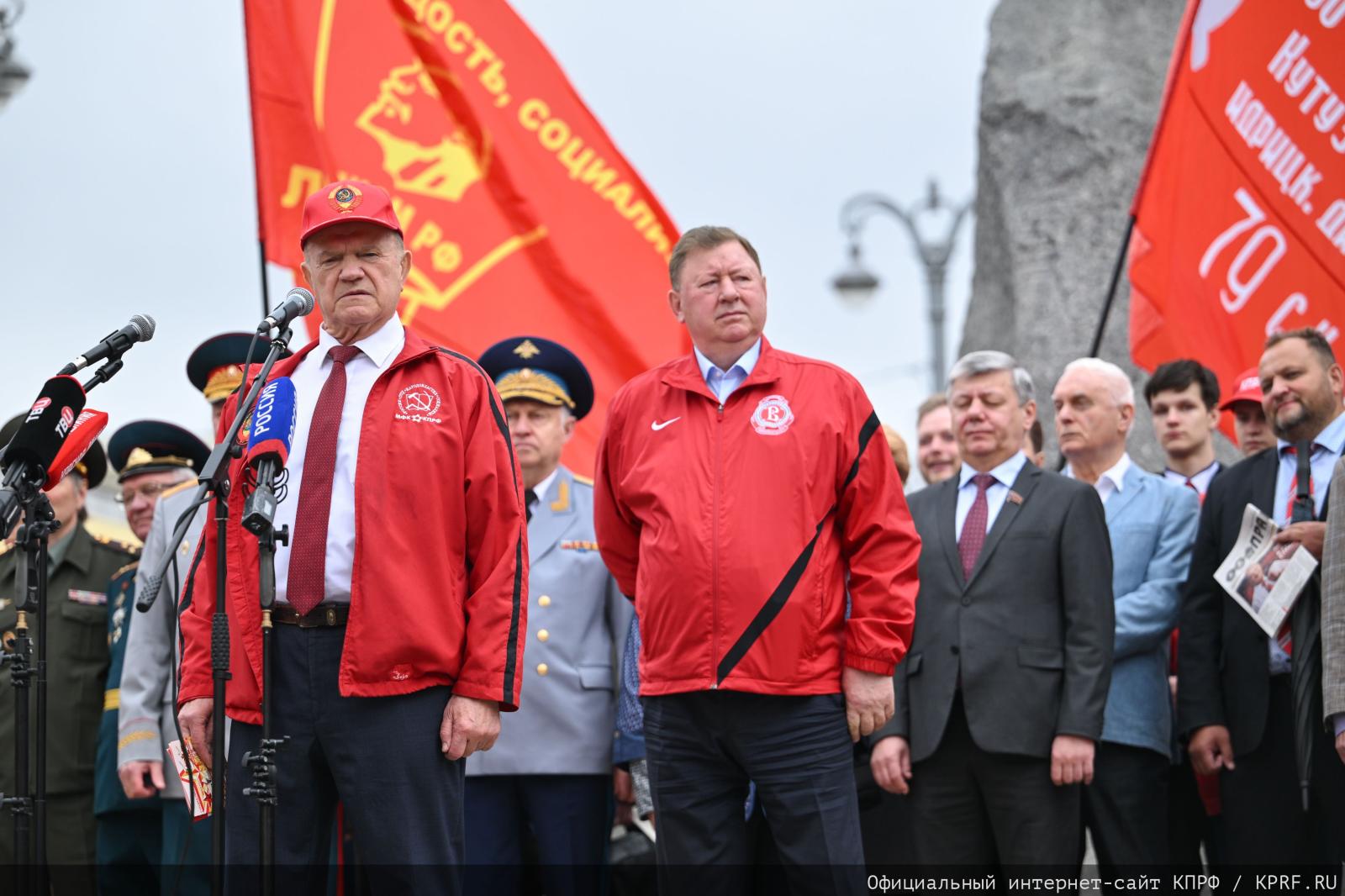
At the 19th congress, the Communist Party of the Russian Federation (KPRF) approved its platform—the 'Program of Victory'—for the upcoming State Duma elections scheduled for September 18–20, 2026. This political document sets forth ten steps, at least six of which would directly impact Russia’s economic structure, including planned changes to pricing, taxation, the central bank’s key rate, and the ownership of major industries. Unlike many campaign promises, this program includes specifically calculated economic mechanisms and targeted ruble amounts. The KPRF’s platform is presented as a holistic system rather than a list of isolated policies, with the party openly citing the USSR's five-year-plan era and China’s current state-driven economic model as inspiration.
Five Economic Levers and Detailed Measures
Five Economic Levers and Detailed Measures
The core of the 'Program of Victory' is grouped into five interlinked economic levers. Firstly, the KPRF proposes state-regulated pricing on essential goods, combined with a phased abolition of VAT, which they claim would result in 10–20% savings on each purchase. Secondly, the program promises to lower the central bank’s key rate to 3–4% annually, a significant decrease from the current rate above 15%, and to make loans for business and agriculture available at this lower rate.
Third, the minimum wage would be set at a floor of 45,000 rubles, with a target that by 2030, no household would earn less than 200,000 rubles. Fourth, the platform calls for the nationalization of subsoil resources, energy, transport, and systemically important banks, directing natural resource rents into the state budget. Fifth, the KPRF promotes the introduction of a progressive tax scale. This includes higher taxes on high wages, dividends, and luxury goods, with an income-tax exemption for those earning less than twice the minimum wage.
The program claims these measures would add 32 trillion rubles in state revenue to be used for social programs and a “development budget”—notably promising tens of thousands of construction projects, a tripling of healthcare funding, and a doubling of education funding.
Рынок может оставаться иррациональным дольше, чем вы способны оставаться платежеспособным.
Supporters' Arguments and Economic Counterpoints
Supporters' Arguments and Economic Counterpoints
Each element of the program is accompanied by a rationale from supporters and counterarguments from economists. For lowering the central bank rate to 3–4%, proponents argue the current double-digit rate suppresses industrial lending and mortgages, while critics point out that such a reduction could exacerbate inflation, weakening the ruble and causing price increases, which is contrary to the program’s “cheap bread” goal.
State price controls on food are justified by supporters who point to high markups between producers and retailers. Critics, however, note that if retail prices are state-controlled while input costs remain market-based, the result could be shortages and an expansion of the grey market—a pattern observed in the late-Soviet economy, which the program itself references.
Regarding nationalization, supporters emphasize the concentration of natural-resource rents among a narrow group of private owners, while market analysts warn that even the threat of nationalization increases risk premiums for companies in these sectors, historically leading to immediate declines in stock prices, sometimes even before any legislative action is taken. The critiques do not deny the real issues highlighted by the program—rising prices, expensive credit, concentrated resource rents—but rather question the measures proposed to address them.
Implications for the Market and Investor Behavior
Implications for the Market and Investor Behavior
Analysts suggest KPRF’s chances of significantly altering the Duma's composition are limited, with United Russia expected to maintain its constitutional majority. As a result, the likelihood of the 'Program of Victory' being enacted in full is low. More fundamentally, the Russian investment landscape has shifted since 2022: nearly two-thirds of the pre-2022 free float on the Moscow Exchange was held by non-residents, whose assets have since been frozen in Type C accounts and no longer influence market risk assessments.
Currently, over 80% of trading on the Moscow Exchange is driven by local retail investors. By autumn 2026, the MOEX index is hovering around 2,000 points, corporate defaults are rising, and retail investors have expressed disillusionment with major issuers, often reallocating assets away from equities. This structural change means that the usual market reaction to campaign rhetoric, especially concerning nationalization, is largely absent: foreign and institutional investors who would typically reprice risk have nearly disappeared from the market. Today, retail investors primarily respond to the ruble exchange rate, central bank policy, and personal liquidity needs, rather than to political platforms.
Possible Scenarios and Practical Outcomes
Possible Scenarios and Practical Outcomes
With institutional and foreign investors reduced to a negligible market presence, the practical outcome is that the economic content of party platforms, such as KPRF's, no longer transmits through the same financial channels as in previous election cycles. Two scenarios for September 2026 are outlined. In Scenario A, the program remains campaign rhetoric: United Russia retains its dominance, KPRF's economic bloc does not reach the legislative agenda, and, with no significant investor segment left, this cannot form a notable risk premium in the market. Retail investors are the last—and often the least likely—to respond.
In Scenario B, certain popular elements of opposition platforms may be adopted by the ruling party. Historically in Russia, some widely supported social policies—like pension indexation, minimum wage increases, or targeted price controls—have been implemented by the central party in response to voter sentiment, regardless of the opposition's position. Thus, the relevant question becomes which specific proposals, such as a minimum wage increase or a progressive tax on dividends, might influence the legislative agenda, independent of KPRF’s electoral success.
Ultimately, while the economic core of a party’s election platform may serve as a guide for future regulatory changes, the fact that so few investors remain able to price these developments in advance means any shifts, should they occur, will be felt directly as changes rather than as anticipated outcomes in market valuations.